
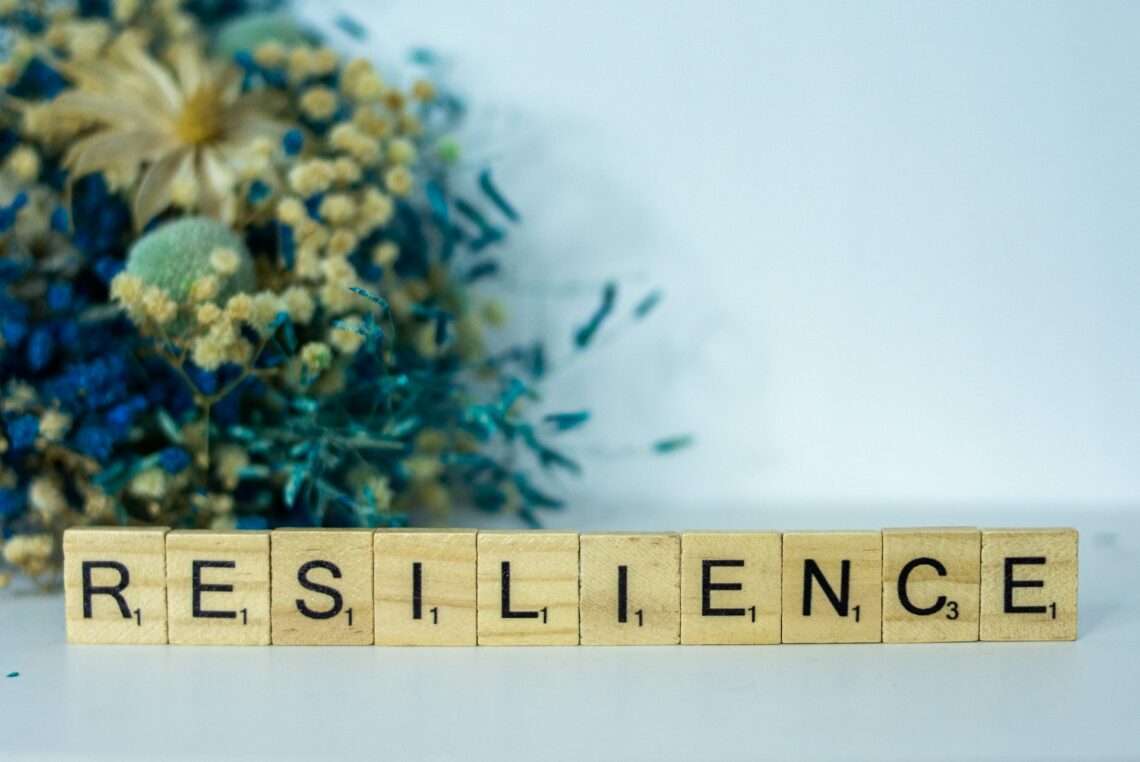
The Role of Awe in Building Psychological Resilience
When was the last time something left you speechless—in the best way? Maybe it was a glowing sunset, a powerful piece of music, or the quiet beauty of a forest. That feeling, often described as awe, is more than a pleasant emotion. It can be a powerful force for healing and strength.
In recent years, researchers have uncovered a surprising truth: awe helps build psychological resilience. It calms the nervous system, expands your sense of perspective, and reconnects you to something larger than yourself. In a world full of stress and uncertainty, awe can be a quiet but steady anchor.
What Is Awe?
Awe is a complex emotion we feel when we encounter something vast, beautiful, or beyond our usual understanding. It might come from nature, art, human kindness, or spiritual experiences.
Unlike joy or excitement, awe often makes us feel small—but not in a bad way. It shifts our focus from ourselves to something greater, leading to feelings of wonder, humility, and connection.
💬 Psychologist Dacher Keltner, a leading researcher on awe, defines it as “the feeling we get in the presence of something vast that challenges our understanding of the world.”
Why Awe Matters for Mental Health
1. Awe Helps Regulate Stress
Awe slows down time. It encourages you to pause, breathe, and become present. This break from constant worry can calm your nervous system and reduce the impact of stress.
📊 A study published in Emotion (2015) found that participants who experienced awe had lower levels of pro-inflammatory cytokines, which are linked to chronic stress and depression 1.
2. Awe Expands Perspective
When you’re in awe, your problems seem smaller—not because they disappear, but because your view of life becomes bigger. This wider perspective helps you approach challenges with more creativity and less panic.
3. Awe Builds Connection
Awe often comes with a sense of being connected to something beyond yourself. Whether that’s nature, humanity, or a higher power, this feeling of belonging helps counteract isolation and loneliness—two major risks to mental health.
4. Awe Boosts Resilience
Resilience is the ability to bounce back from stress or adversity. Awe strengthens resilience by promoting emotional regulation, openness, and a sense of purpose.
📊 In a 2021 study published in Frontiers in Psychology, individuals who experienced awe regularly reported higher life satisfaction and stronger coping skills during difficult times 2.
How Awe Supports Psychological Resilience
Resilience isn’t just about “toughing it out.” It’s about staying grounded, hopeful, and connected when life gets hard. Here’s how awe contributes to this kind of inner strength:
🧘 1. Awe Promotes Mindfulness
Awe brings you into the present. It silences overthinking and invites you to fully experience the moment. This mindful state gives your brain and body time to reset, making it easier to handle stress in healthy ways.
🧠 2. Awe Reduces Self-Focus
Resilience often depends on stepping outside your own head. When you’re stuck in anxiety or rumination, awe shifts your attention outward. You feel part of something bigger, which reduces mental exhaustion and fosters emotional clarity.
🌍 3. Awe Increases Gratitude and Compassion
Awe reminds us of life’s beauty—and the goodness that still exists in the world. These emotions boost resilience by increasing your sense of meaning, gratitude, and empathy.
📊 A 2019 study in The Journal of Positive Psychology found that awe experiences led to increased generosity and pro-social behavior, both of which strengthen emotional well-being and social support 3.
Everyday Ways to Experience Awe
You don’t need to climb a mountain or visit the Grand Canyon to feel awe. Small, intentional moments can have a big impact.
🌳 1. Spend Time in Nature
Take a slow walk in a park. Watch birds, notice tree branches, or listen to wind and water. Even 10 minutes in nature can shift your emotional state.
🎨 2. Enjoy Art or Music
Look at a painting. Watch a moving film. Listen to a symphony or a powerful song. Let yourself feel whatever comes up—no need to explain it.
💡 3. Learn Something New
Read about the stars, the ocean, or ancient cultures. Awe often arises from intellectual wonder—when we learn something that opens our minds.
💬 4. Watch Acts of Kindness
Human goodness is deeply awe-inspiring. Watch stories of people helping others. Reflect on the resilience and compassion we’re all capable of.
🧘 5. Practice Awe Walks
Psychologist Dacher Keltner recommends “awe walks”—slow, intentional walks where you tune into your surroundings with curiosity and openness. Try focusing on the beauty of light, sound, and motion.
📊 A 2020 study in Emotion found that adults who practiced weekly awe walks for 8 weeks experienced greater well-being and lower levels of daily distress 4.
Real-Life Reflection: Liam’s Story
Liam, 42, had battled depression and anxiety for most of his adult life. During recovery, he discovered photography. One day, while photographing a sunrise, he felt something he hadn’t in years—awe.
“I felt tiny, but alive,” he said. “It didn’t fix everything, but it reminded me that beauty still existed. That I was part of something bigger.”
Liam began taking regular “awe walks” with his camera. He credits these moments with helping him stay grounded during emotional setbacks.
Awe and Trauma Recovery
For trauma survivors, awe can be especially healing. It helps rewire the nervous system and rebuilds trust in the present moment.
Of course, awe shouldn’t replace therapy—but it can complement traditional mental health care by offering moments of peace, meaning, and emotional connection.
💬 “Awe can be the first step toward re-enchantment—with the world, and with yourself.”
Final Thoughts
In a fast, stressful world, it’s easy to overlook the quiet, powerful role of awe. But moments that take your breath away can also help you breathe more deeply, feel more fully, and cope more wisely.
The role of awe in building psychological resilience is real and research-backed. It helps you manage stress, shift perspective, and stay emotionally strong—even when life feels overwhelming.
So, take a moment today. Step outside. Look up. Listen closely. Let something move you. Awe might not solve your problems, but it can change how you carry them.
References
- Stellar, J. E., et al. (2015). Positive affect and markers of inflammation: Discrete positive emotions predict lower levels of inflammatory cytokines. Emotion, 15(2), 129–133. ↩
- Piff, P. K., et al. (2021). Awe, the small self, and prosocial behavior. Frontiers in Psychology, 12, 648112. ↩
- Bai, Y., et al. (2019). Awe, the diminished self, and collective engagement: Universals and cultural variations. The Journal of Positive Psychology, 14(3), 248–255. ↩
- Sturm, V. E., et al. (2020). Awe walks promote emotional well-being in older adults. Emotion, 21(4), 751–764. ↩


You May Also Like

Sharp to Take Part in Consumer Electronics Show 2023 in the US

Flash 𝐑𝐞𝐯𝐢𝐞𝐰: Honor x9a 5g Phone
